
Success case
Dostoevsky's World: To Stop Reading Is to Stop Thinking
China Modern Press and Publication Museum
- Location
- 中国近现代新闻博物馆
Entering the life and work of a literary giant—a journey into human nature, suffering, and the depths of the soul.
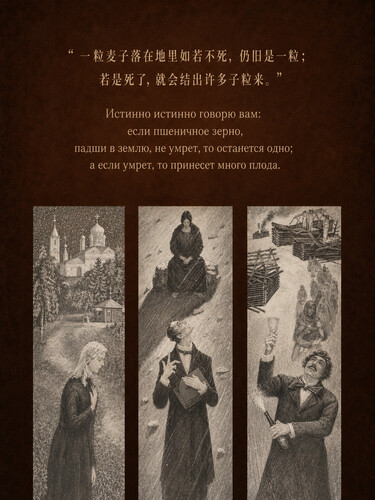
“Dostoevsky’s World: To Stop Reading Is to Stop Thinking” is a world-literature exhibition at the Museum of Modern Chinese Press and Publishing. Centered on the life and writing of Fyodor Mikhailovich Dostoevsky, it brings together manuscripts, rare books, original illustrations, personal objects, and multimedia to trace his turbulent biography, literary thought, and inner world—building a path from the writer’s life into his creative work and reflections on human nature. The exhibition unfolds in five sections—Childhood and Youth, A Turning of Fate, Return to Literature, Masterworks, and Immortality of the Spirit—and gathers important holdings from related museums and research institutions in Russia.
In the museum’s context, Dostoevsky is not only a world-renowned literary master, but also a gateway into writing, publishing, translation, and cross-cultural exchange. Since his works entered China in the 1920s, successive translations, editions, and studies have formed a major chapter in Sino–Russian literary exchange. The project therefore presents not only personal relics and literary classics, but also a broader public understanding of how reading, writing, publishing, and the human spirit are bound together.
Highlights
- Centers the narrative on Dostoevsky’s life and creative work
- Links personal fate, historical change, and the formation of literary thought
- Reconstructs the writer’s spiritual world through manuscripts, first editions, and personal objects
- Combines documents, publications, original illustrations, and multimedia
- Balances biographical storytelling with interpretation of the classic works
- Turns a world literary classic into a vivid cross-cultural reading experience
Design Challenge
How to use manuscripts, rare books, and personal objects of major literary-historical value as an entry point—while clearly presenting Dostoevsky’s complex life, creative thought, and literary world—was the core challenge of this project.
Manuscripts and early editions carry strong historical authenticity and cultural appeal. Visitors are often first drawn to their rarity, age, and association with a famous author. Yet their true importance lies less in celebrity relics than in the creative process, intellectual struggle, historical experience, and spiritual inquiry they embody.
For contemporary Chinese audiences, works such as Crime and Punishment, The Idiot, and The Brothers Karamazov are well known, but the Russian social background, religious thought, personal biography, and intricate character relations behind them still create a gap in understanding. The project therefore needed to balance the authenticity of the objects, the intellectual depth of the literature, and public accessibility—so visitors could move from “knowing Dostoevsky” toward “understanding Dostoevsky’s world.”
Design Strategy
The project is grounded in the idea of entering the world through the book, and seeing the mind through the text—treating manuscripts, books, and life experience as the starting point of the narrative rather than isolated displays. The exhibition unfolds across growth, fate, creation, masterworks, and spiritual legacy: from family reading and early literary beginnings through turning points, exile, return to the literary world, creative peaks, and the lasting global influence of the works.
Spatially, the design draws visual language from pages, manuscripts, city streets, and literary imagery. Focused object displays, literary guides, character-relationship mapping, multimedia, and lighting create an environment of historical depth, literary character, and spiritual tension. Around Crime and Punishment and other representative works, manuscripts, early editions, thematic illustrations, and spatial cues let visitors observe revision, character conception, and narrative process—moving from material books and manuscripts into the psychological space the works construct.
In this way, a relatively static literary-document display becomes a layered intellectual narrative: while reading fragments of the writer’s life and work, visitors also enter his lasting questions of crime and redemption, freedom and responsibility, suffering and faith, good and evil, and the meaning of life.
Project Value
The significance of this project lies in opening a more publicly readable path for cross-cultural communication of world literature through a major literary figure and his documentary legacy. Within the Museum of Modern Chinese Press and Publishing, Dostoevsky’s manuscripts and books are no longer only literary-historical relics to be viewed, but media for understanding writing, publishing, reading culture, and human spiritual experience.
Through the coordination of narrative, space, and media, the project transforms a conventional biographical and documentary display into a dialogue on literature, thought, and the human spirit—and underscores the museum’s role as a platform connecting authors, books, publishing, and readers. The exhibition not only shows how Dostoevsky observed his age and human nature through literature, but also invites visitors to reconsider why reading matters for knowing oneself, understanding others, and keeping independent thought.